Core01
Adaptive traffic monitoring
Monitor queues, lane movement, peak-hour pressure, and junction flow in real time.
View capability

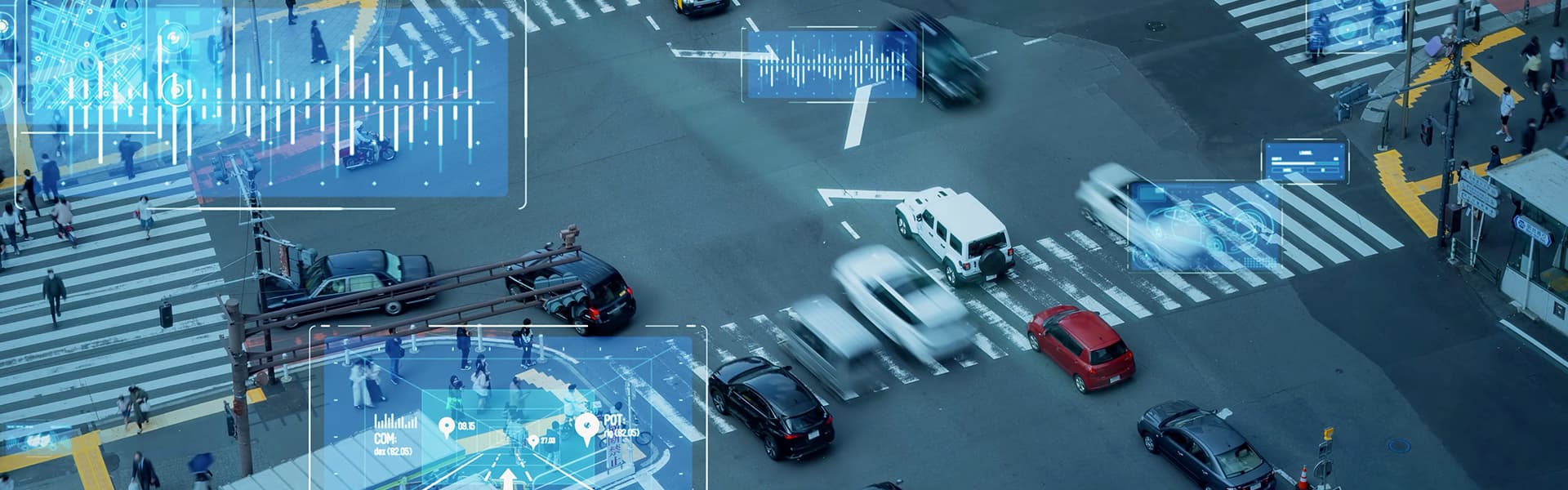
Build a connected traffic intelligence layer for junction monitoring, ANPR, congestion analytics, incident alerts, signal insights, and evidence-ready road safety operations.
Live Road Pulse
Corridor Health
Junction Load
Queue analytics
ANPR events
Signal insights
Map alerts
Measure movement, detect incidents, identify vehicles, support enforcement, and give traffic teams the evidence they need without adding visual clutter to the workflow.
Monitor queues, lane movement, peak-hour pressure, and junction flow in real time.
Detect stopped vehicles, wrong-way movement, blocked lanes, and high-risk road events.
Capture plate events, vehicle class, route movement, and access records for review.
Use traffic data to improve signal planning, green time, and corridor performance.
Unify cameras, maps, alerts, control rooms, and dashboards for faster response.
Scale road intelligence with edge AI, cloud dashboards, and device health monitoring.
Detailed Traffic Management Information
Our intelligent traffic solution combines AI cameras, vehicle analytics, incident detection, ANPR, live alerts, and reporting so road operators can improve mobility, reduce response time, and make traffic planning decisions with dependable visual evidence.
Road Data To Action
Traffic operations move fast. The page layer connects camera analytics with live alerts, map context, operator review, evidence export, and recurring reports for smarter mobility management.
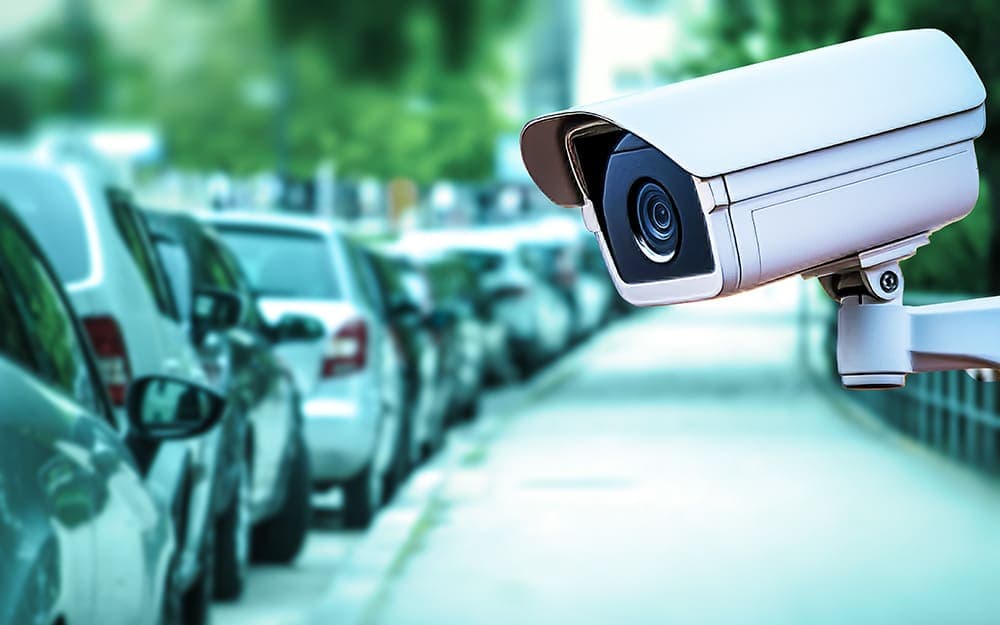
Intelligent traffic cameras help cities and private campuses understand where traffic slows down, how long vehicles wait, and which corridors need operational attention. This makes road planning more measurable and day-to-day response more precise.
Traffic AI can detect high-risk events and policy violations without relying on manual camera watching. Operators can receive structured alerts with camera location, event type, timestamp, vehicle evidence, and review-ready footage.
Every traffic event becomes more useful when it is searchable and connected to reporting. Teams can review incidents, compare road performance, export evidence, and use reliable data for smarter transport decisions.
Traffic AI Workflow
AI cameras read road activity, vehicle movement, and risk events.
Events are grouped by lane, vehicle type, location, and priority.
Operators receive real-time alerts with evidence and map context.
Reports guide enforcement, planning, signal timing, and response.
Teams coordinate field action for incidents, congestion, and safety.
Traffic patterns become measurable for long-term mobility planning.
Intelligent Traffic Use Cases
Intelligent traffic cameras support public agencies and private facilities with road safety monitoring, congestion management, vehicle records, signal optimization, and rapid incident response.
Featured Deployment
Urban intersections need intelligent traffic management that can handle mixed vehicle movement, pedestrians, public transport, and sudden incidents. AI cameras give traffic departments continuous visibility into signal performance, congestion buildup, red-light violations, and road-user safety.
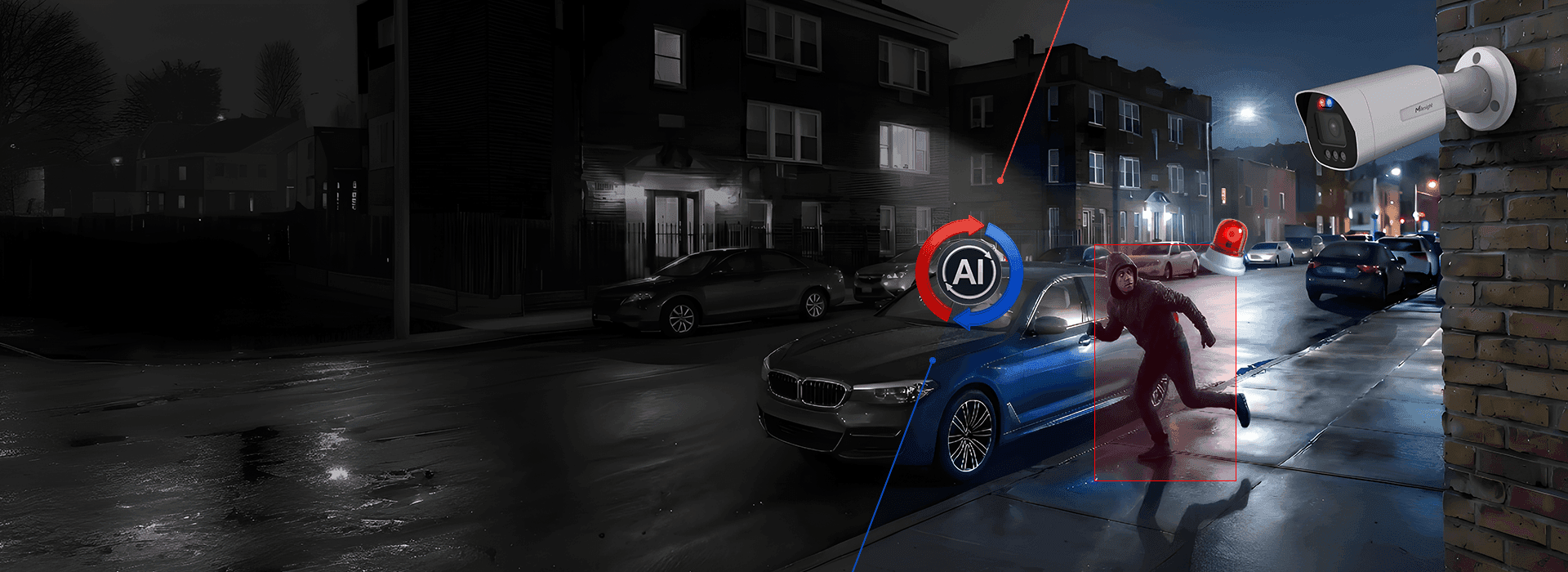
Long road corridors need early incident detection and dependable vehicle visibility. Intelligent traffic cameras can identify stopped vehicles, wrong-way movement, congestion, accidents, and lane blockage so operators can respond quickly and reduce secondary incidents.

Business parks, hospitals, universities, logistics yards, and residential communities can use AI cameras for vehicle entry management, ANPR records, illegal parking detection, queue monitoring, and faster gate operations.
Bus corridors, emergency access roads, railway stations, airports, and transport hubs need reliable road intelligence. AI traffic monitoring helps protect priority lanes, detect crowding near crossings, and support faster response coordination.